Source Explosion Proof Push Button Switch for Industrial Lighting Electronics
Explore 30 verified options for the explosion proof push button switch designed for industrial, lighting, and electronics applications. Buyers can compare specifications including voltage ratings, protection levels, and customization features to find the right component for their safety-critical systems; compare the available evidence and request quotations based on your requirements.
Key considerations
Products List




Comprehensive Sourcing Guide
Explosion Proof Push Button Switch Sourcing Guide
Procuring explosion-proof push button switches requires a disciplined approach to technical verification and supplier qualification. These components are critical for maintaining safety in hazardous environments where flammable gases, vapors, or dusts may be present. Buyers must prioritize devices that demonstrate robust construction and certified protection levels to prevent ignition sources from triggering explosions. The selection process involves evaluating material integrity, ingress protection ratings, and electrical ratings against specific site conditions.
This guide outlines the essential steps for sourcing these specialized industrial controls. It focuses on interpreting product listings, verifying technical specifications, and ensuring compliance with international safety standards. By understanding the key attributes such as IP ratings, explosion-proof markings, and material compositions, procurement teams can make informed decisions that balance safety, durability, and cost-effectiveness. The following sections provide a structured framework for evaluating potential suppliers and products.
Product Scope and Observed Listing Signals
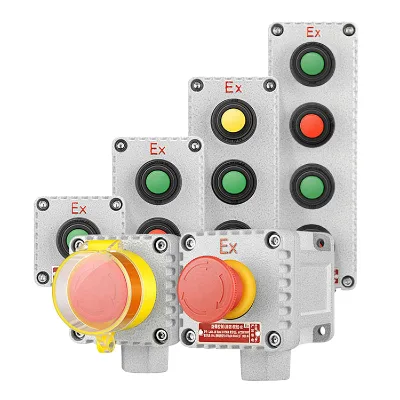
The market for explosion-proof push button switches features a diverse range of models designed for industrial, lighting, and electronics applications. Listings often highlight features such as double control switches, change-over functions, and disconnector capabilities. Buyers should observe that products are frequently described as composite types with single-pole on-off configurations. These switches are typically available in various button types, including rotary buttons and illuminated indicators, catering to different operational needs.
Observed product attributes indicate a strong emphasis on durability and environmental resistance. Many listings specify materials like aluminum alloy and stainless steel for shell construction, ensuring longevity in corrosive or harsh settings. Ingress protection ratings such as IP65 and IP66 are common, signaling effective dust-proof and waterproof capabilities. Additionally, features like explosion-proof and insulation protection are frequently cited, reinforcing the device's suitability for hazardous areas. Buyers should verify these claims against specific project requirements.
Technical Specifications to Verify
When evaluating technical specifications, buyers must confirm the voltage and current ratings to ensure compatibility with existing electrical systems. Common observed ratings include 220V/380V operation with a maximum current of 10A. It is crucial to verify the switch combination, such as 1no1nc configurations, and the number of positions available, ranging from one to four positions. These details determine the switch's functionality and integration potential within complex control circuits.
The explosion-proof marking is a critical technical attribute that must be clearly stated on the product. Markings such as Ex De Iic T6 indicate the specific gas group and temperature class, ensuring the device is safe for use in designated hazardous zones. Buyers should also check the inlet thread specifications, such as G3/4, to ensure proper cable gland compatibility. Additionally, verifying the LED status indicators and smart functionality, or lack thereof, helps in selecting the appropriate interface for monitoring and control purposes.
Compliance and Safety Documentation
Compliance with international standards is non-negotiable for explosion-proof equipment. Buyers should request documentation confirming certifications such as CCC, CE, and ISO9001. These certifications indicate that the manufacturer adheres to rigorous quality management and safety protocols. It is essential to verify that the product meets the specific regulatory requirements of the destination country, as standards can vary significantly between regions.
In addition to product certifications, buyers should inquire about the manufacturing standards and testing procedures. While some listings mention standards like IEC61508, buyers must confirm the exact applicability to their specific use case. Documentation should include detailed test reports for ingress protection, mechanical durability, and explosion-proof integrity. Ensuring that the supplier provides comprehensive safety data sheets and installation manuals is also vital for proper deployment and maintenance.
Cost Drivers and Commercial Terms
Several factors influence the cost of explosion-proof push button switches, including material quality, certification level, and customization options. Products made from high-grade aluminum alloy or stainless steel typically command higher prices due to their superior durability and corrosion resistance. Customization features, such as specific button colors, light indicators, or OEM packaging, can also affect the final cost. Buyers should evaluate the total cost of ownership, considering long-term reliability and maintenance needs.
Commercial terms such as minimum order quantity (MOQ) and lead times are important considerations for procurement planning. Observed MOQs can range from small quantities for testing to larger volumes for full-scale deployment. Buyers should negotiate clear terms regarding packaging, shipping, and warranty coverage. Understanding the supplier's production capacity and lead times helps in managing inventory levels and avoiding production delays. Transparent pricing structures without hidden fees are essential for accurate budgeting.
Supplier Qualification and Quality Control
Selecting a qualified supplier is critical for ensuring the reliability and safety of explosion-proof switches. Buyers should verify the supplier's manufacturing capabilities, including their production facilities in regions like Shanghai or Zhejiang, China. It is important to assess their quality control processes, such as ISO9001 certification and in-house testing procedures. Suppliers with a proven track record in producing certified industrial components are preferable for high-stakes applications.
Quality control should extend to the entire supply chain, from raw material sourcing to final packaging. Buyers should request samples for rigorous testing before placing large orders. Evaluating the supplier's response to technical queries and their ability to provide customized solutions is also indicative of their professionalism. Establishing a clear communication channel with the supplier ensures that any issues during production or delivery can be addressed promptly and effectively.
Long-Term Procurement Checks
Long-term procurement success depends on continuous monitoring of supplier performance and product reliability. Buyers should establish key performance indicators (KPIs) for delivery times, product quality, and after-sales support. Regular audits of the supplier's quality management systems can help identify potential issues before they impact production. Maintaining a diverse supplier base can also mitigate risks associated with supply chain disruptions.
Feedback from end-users and field performance data should be regularly reviewed to assess the long-term durability of the switches. Buyers should stay informed about updates in safety standards and technological advancements in explosion-proof equipment. Building a strong relationship with suppliers based on mutual trust and transparency facilitates smoother negotiations and better service levels. Continuous improvement in procurement processes ensures that the organization remains compliant and competitive in the industrial market.
FAQs
What certifications do these switches have?
These switches typically hold CCC, CE, and ISO certifications. Some models also feature ISO9001 compliance for quality management. This ensures they meet international safety and manufacturing standards for industrial and lighting applications.
What is the maximum voltage rating?
The maximum voltage rating is 220V or 380V. These low-voltage switches are designed for standard industrial control circuits. They support both single-pole on-off operations and change-over switching functions safely.
What materials are used for the shell?
The shell is made from aluminum alloy or stainless steel. This construction provides durability and corrosion resistance. The material choice supports the explosion-proof and dust-proof protection levels required for harsh industrial environments.
What is the ingress protection level?
The ingress protection level is IP65 or IP66. This rating ensures the switch is dust-proof and waterproof. It protects internal components from dust ingress and water jets, making it suitable for outdoor or wet industrial settings.
Can the switches be customized?
Yes, customization is available for these switches. Buyers can select specific button types, colors, and switch combinations. Options include rotary buttons, emergency stops, and various positions to meet specific operational requirements.
What is the typical packaging method?
The typical packaging method is carton boxes. Some suppliers offer customer brand OEM packing boxes. This ensures safe transport and allows for branded presentation upon delivery to the end-user or distributor.